



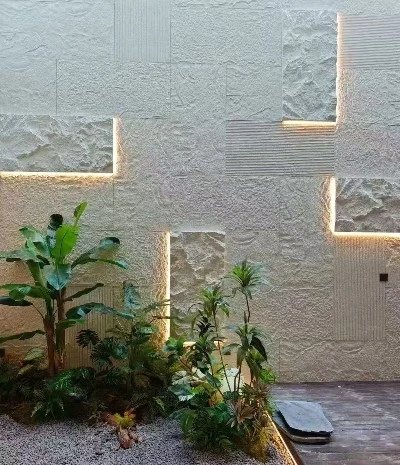


Soft stone is a type of rock characterized by its relatively low hardness, making it easy to process and carve.
Characteristics of Soft Stone
Soft stone derives its name from its low hardness. Compared to hard stone, its physical properties make it significantly easier to cut, polish, and shape. This type of rock typically possesses a relatively fine-grained structure, exhibits a diverse range of colors, and features a relatively soft texture.
Composition and Varieties of Soft Stone
The composition of soft stone primarily includes certain sedimentary and metamorphic rocks. For instance, certain organic-rich sedimentary rocks may transform into soft stone following various geological processes. Additionally, rocks rich in gypsum or calcite also fall under the category of soft stone. These specific constituents endow soft stone with its unique physical properties and distinctive appearance.
Uses of Soft Stone
Due to its ease of processing, soft stone is widely utilized in the fields of sculpture, architecture, and decoration. In the realm of sculptural art, soft stone is favored by artists for its malleability and its capacity to capture intricate details. In architecture, soft stone is frequently employed in the production of wall stones, flooring materials, and similar elements. Furthermore, soft stone is used to create decorative features such as garden landscape stones and artificial rockeries.
The Significance of Soft Stone in Geology
From a geological perspective, the study of soft stone holds significant importance for understanding the formation and evolution of the Earth's crust, as well as for resource utilization. Through the examination of soft stone, researchers can uncover information regarding past geological climates, environmental shifts, and biological evolution. Concurrently, as a vital natural resource, the responsible development and utilization of soft stone are crucial for achieving sustainable development.