


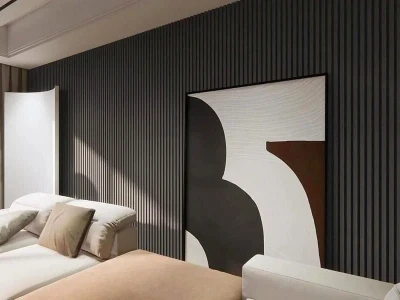
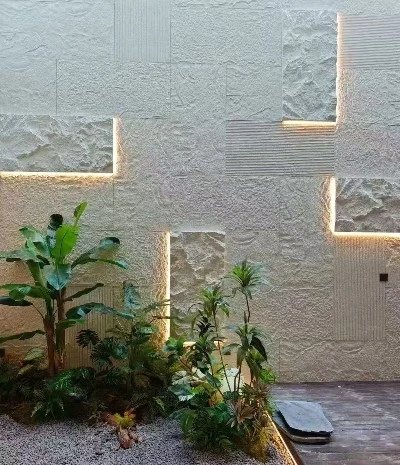
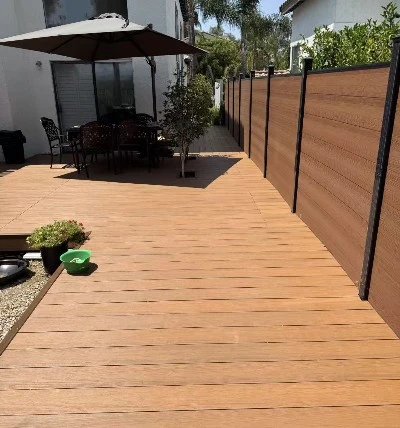


Asia
Climate Characteristics:
Wide climate range and complex types, covering extreme environments such as extremely cold and thawing, drought and sandstorms, high salt and alkali content, high temperature and high humidity, and frequent typhoons. Old buildings renovation, special-shaped tourism and cultural sites, and villa construction projects are common.
Adaptation Advantages:
1.Can withstand temperatures ranging from -40°C to 50°C with a large temperature difference, and does not crack or fall off due to freeze-thaw cycles.
2.Can resist wind erosion and wall alkali staining; in coastal areas, it can prevent dampness and mold, resist salt corrosion from seawater, and withstand typhoons without falling.
3.Flexible and adaptable to various special-shaped buildings, can directly paste on old walls, with low transportation loss of rolls, suitable for cross-border large-scale projects.
Europe
Climate Characteristics:
Northern and Eastern Europe are severely cold with frequent snowfall and freeze-thaw cycles; Western Europe is always rainy and humid; Southern Europe has strong sunlight in summer and frequent rain in winter; buildings are environmentally friendly and have strict fire safety standards, with many renovations of retro curved buildings.
Adaptation Advantages:
1.Stable in low-temperature environments, no hollowing or falling off, lightweight and no need for dry hanging, saving construction costs.
2.Breathable and waterproof in humid environments, preventing mold and discoloration.
3.Resistant to ultraviolet rays under strong sunlight, lasting without fading.
4.A-level flame retardant, low-carbon and environmentally friendly, in line with European green building standards, suitable for retro curved and vintage buildings


Africa
Climate Characteristics:
North Africa is dry with little rain, frequent freeze-thaw cycles; Central and West Africa has high temperatures and frequent rain, high humidity and oppressive heat; South Africa has extremely strong ultraviolet rays, with a high demand for low-rise buildings and renovation projects.
Adaptation Advantages:
1.Super strong UV resistance, able to withstand salt and alkali in desert environments, resisting wind and sand, almost no maintenance in outdoor areas.
2.Waterproof and moisture-proof in rainforest areas, preventing mold and staining; lightweight and reducing building load, low damage rate during ocean transportation of rolls, significantly reducing export logistics costs.
North America
Climate Characteristics:
Northern regions have extremely cold and snowy conditions, frequent freeze-thaw cycles; Central regions have large temperature differences, extreme hurricanes and heavy snowfall; Southern coastal areas have high temperatures and frequent rain, frequent hurricanes, with high building safety standards and a large market for old building renovation.
Adaptation Advantages:
1.Resistant to high and low temperatures, able to withstand freeze-thaw and hurricanes,firmly bonded to prevent falling from heights.
2.Stable in hot and rainy environments.
3.Can be directly pasted on old walls, shortening construction time and saving labor costs
4.Environmentally friendly and flame-retardant, fully in line with local building safety regulations.


South America
Climate Characteristics: Northern regions have high temperatures and high humidity, abundant rainfall; throughout the region, dry and wet alternation is obvious; southern regions are cold and windy; coastal areas have high salt content in sea wind, with many mountainous special-shaped and low-rise tourism buildings.
Adaptation Advantages:
1.Prevents moisture and mold in high-humidity environments, does not peel, and resists staining and water.
2.resistant to salt corrosion in coastal areas, resisting strong wind erosion
3. flexible and bendable, suitable for mountain arc-shaped construction.
4.Suitable for low-load requirements of mountain buildings, stable performance in extreme dry and wet environments, and low maintenance costs in the long term.
Oceania
Climate Characteristics: Inland areas are dry and desert-like, with extremely strong ultraviolet rays, high soil salt content; coastal and New Zealand areas are always rainy and humid, with frequent strong winds, with a focus on high-end tourism and villa buildings, emphasizing environmental protection.
Adaptation Advantages:
1.Inland areas resist ultraviolet rays, wind sand, and wall alkali staining.
2. coastal areas resist salt corrosion and strong wind erosion, eliminating the risk of falling off.
3.Low-carbon and recyclable, in line with local environmental protection policies, flexible characteristics suitable for island guesthouses, resort hotels, and creative special-shaped exteriors of creative buildings.
