


1. Definition & Composition
Outdoor WPC is a composite material manufactured by mixing polyethylene (PE) with natural plant fibers (such as wood flour) in a certain proportion, supplemented with appropriate additives, and processed via extrusion, compression molding, injection molding and other forming technologies.
2. Key Features
Excellent weather resistance: It boasts great waterproof, moisture-proof, insect-resistant and anti-mold properties. Resistant to UV radiation, wind and rain erosion, it hardly deforms, cracks or rots, making it suitable for harsh outdoor environments with high humidity, high temperature or high salt content.
Eco-friendly & sustainable: Made mainly from plastic and plant fibers to reduce resource waste. No hazardous substances like formaldehyde are released during production. It is recyclable and meets environmental standards.
High strength & stability: Integrating the toughness of plastic and rigidity of wood, it features high surface hardness with favorable compression and bending resistance, resisting damage over long-term service.
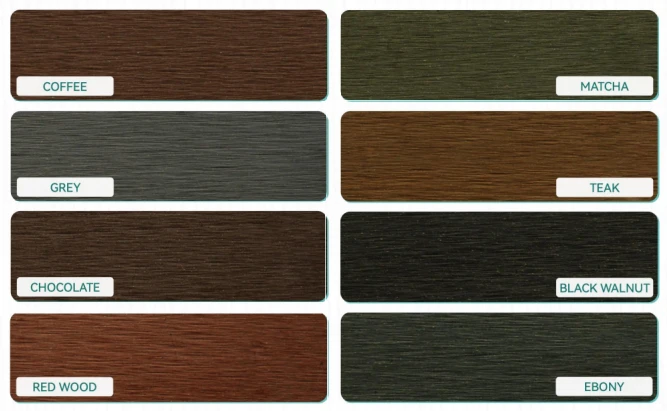
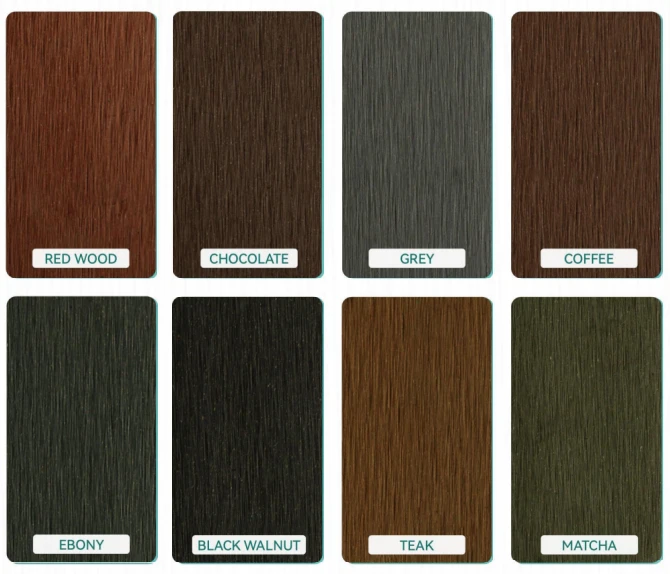
High plasticity: It can be molded into various shapes, sizes and textures with customized designs to satisfy diverse landscape and architectural requirements.
Low maintenance cost: Regular painting or anti-corrosion treatment is unnecessary. Simple daily cleaning preserves its appearance and performance, with a service life up to 20 years.
3. Typical Application Fields
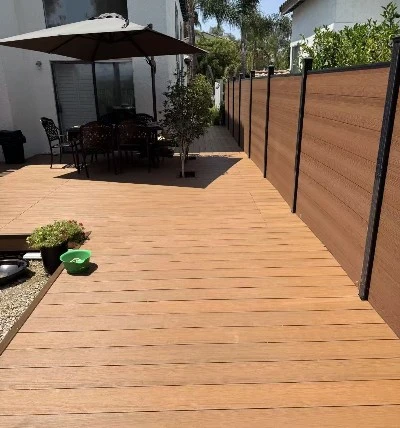
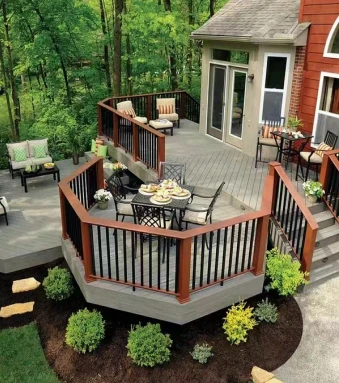
Outdoor wall panels & decking: Courtyards, terraces, pool surrounds, boardwalks, park trails, etc., offering anti-slip and wear-resistant surface paving.
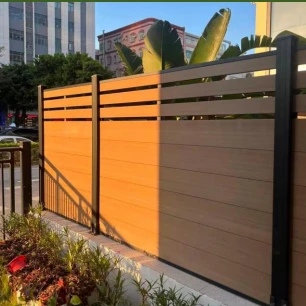
Landscape structures: Railings, fences, pavilions, pergolas, benches, planter boxes and more, balancing aesthetics and practicality.
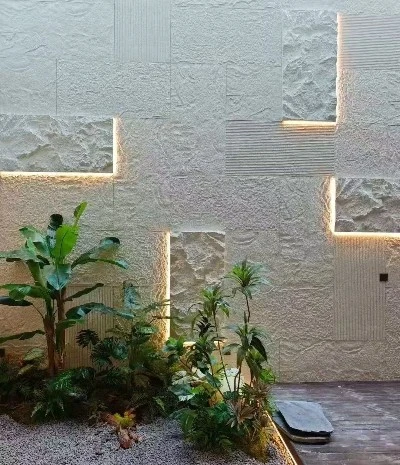
Architectural decoration: External wall cladding, ceiling panels, sunshade boards, enhancing the visual texture and durability of buildings.
4. Advantages over Conventional Materials
Compared with traditional outdoor materials such as preservative-treated wood and solid wood, outdoor WPC requires far less frequent maintenance and delivers superior corrosion resistance, eliminating common drawbacks of timber including rot and deformation. In contrast to pure plastic materials, WPC achieves better texture and mechanical strength, with appearance and touch close to natural wood.
In summary, with eco-friendliness, durability and attractive appearance, outdoor WPC has become a popular material option in modern outdoor architecture and landscape design, delivering an effective sustainable solution for outdoor construction.