


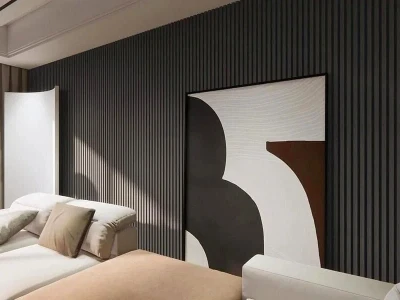
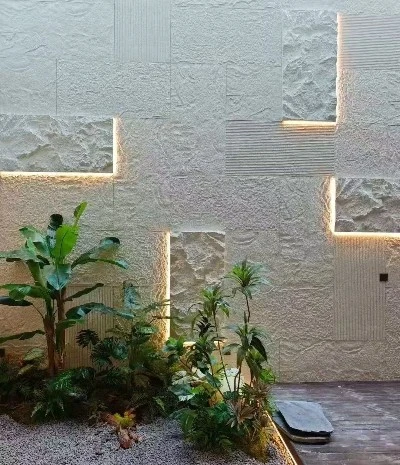
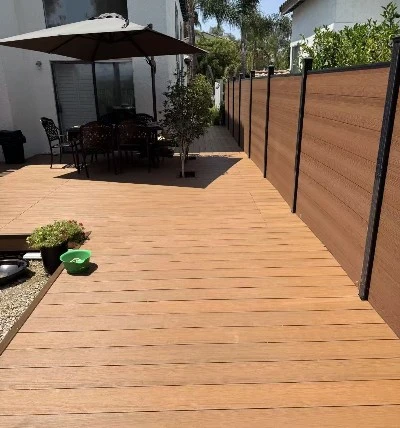

What is flexible stone?

Flexible stone is a new type of exterior wall building material with stone imitation effect. It can not only present realistic stone texture, but also boasts advantages in cost and construction efficiency, together with excellent weather resistance.
It is a flexible stone-imitation material, different from ultra-thin natural stone. Ultra-thin stone is genuine natural stone, while flexible stone is stone imitation. It is a new energy-saving and low-carbon decorative cladding material, thin, lightweight and flexible. It uses inorganic materials as the base substrate, added with eco-friendly water-based architectural coatings, and is formed via radiation crosslinking and baking under a dynamic temperature profile.


Flexible stone boasts an incredible bending angle to meet the design requirements of various irregular-shaped buildings. It can wrap around a cylinder with a 20 cm diameter without cracking and withstand thermal stress deformation of building structures and different insulation substrates.
It is composed of inorganic materials. Its color is inherent to the material itself. The natural pigment delivers superior long-term stability and will not fade under UV radiation or other external natural conditions.


Flexible stone is free from aging defects such as bulging, peeling and chalking. It also boasts excellent durability and is classified as a national Grade A fire-resistant flexible material.
Applications of Flexible Stone
Flexible stone can be applied to architectural decoration for both exterior and interior walls. It is especially suitable for exterior cladding projects of high-rise buildings, exterior wall materials for urban renovation, finish layers of external thermal insulation systems, as well as facades for curved walls, arched columns and other irregular structures.


It offers a wide range of color options with realistic stone imitation effects, and comes at an affordable price acceptable for most construction projects.