





The strength of soft stone varies significantly depending on its constituent materials, manufacturing processes, and intended applications. Typically, its compressive strength ranges from 0.5 MPa to 5 MPa (i.e., 500 kPa to 5,000 kPa), while its flexural strength-depending on the specific formulation-may reach between 1 MPa and 3 MPa.
Technical Principles and Strength Formation Mechanisms
The core components of soft stone consist of inorganic minerals-such as kaolin and quartz sand-which are processed through high-temperature sintering or chemical modification techniques to form a porous structure. Its compressive strength is primarily derived from the mechanical interlocking forces and chemical bonding forces acting between the mineral particles. Soft stone incorporating nanoscale additives can achieve enhanced strength through lattice-strengthening effects, whereas products manufactured using traditional processes rely on the optimization of particle size distribution to ensure structural stability. Flexural strength is closely correlated with the material's thickness; for every 1 mm increase in thickness, the flexural strength may increase by 20% to 30%.
Building Exterior Cladding: Required to withstand external forces such as wind pressure and temperature fluctuations, these materials typically demand a compressive strength of ≥2 MPa (2000 kPa) and a flexural strength of ≥1.5 MPa. Such flexible stone products frequently employ fiber-reinforcement technology-specifically, the incorporation of glass or polypropylene fibers-to enhance their toughness.
Interior Flooring: As these surfaces must bear the load of human foot traffic, a compressive strength of ≥3 MPa (3000 kPa) is required; additionally, they must meet Class A2 fire-resistance standards. Certain high-end products undergo a surface carbonization treatment to increase their hardness to a Mohs level of 5, all while preserving their inherent flexibility.
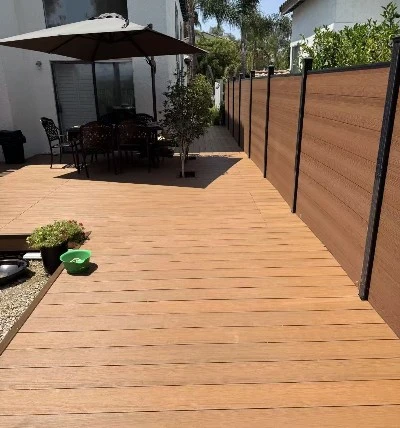
Landscape and Garden Design: While strength requirements for these applications are relatively lower, the materials must possess robust resistance to freeze-thaw cycles. Flexible stone products intended for use in northern regions are required to pass temperature-variation tests spanning a range of -30°C to +80°C, ensuring that strength loss remains ≤15% after 100 complete cycles.