




Amid numerous explorations and innovations within modern‑day architecture, flexible ceramic emerges as a new material for artistic construction and gradually gains widespread recognition. Distinct from conventional rigid ceramic tiles, it features soft texture and favourable plasticity. Under ingenious craftsmanship, it can be shaped into diverse distinctive architectural forms and surface finishes, transforming buildings themselves into visually pleasing works of art.
One prominent attribute of flexible ceramic lies in its ultra‑light and flexible properties, enabling easy application onto various irregular surfaces and granting architects greater design freedom. Whether for intricate circular arcs, wavy contours or simple broken‑line profiles, flexible ceramic conforms perfectly to substrates, demonstrating remarkable adaptability and aesthetic appeal. Accordingly, it has found ever‑expanding applications across modern architecture, ranging from large‑scale public buildings to compact private residences.
Furthermore, flexible ceramic delivers outstanding environmental performance. Primarily composed of natural raw materials, it is recyclable and effectively lessens the environmental footprint generated during construction. Driven by growing global environmental awareness, flexible ceramic, thanks to its eco‑friendly characteristics, has become a preferred material for numerous green‑building projects.
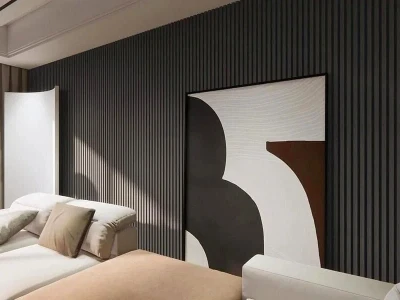
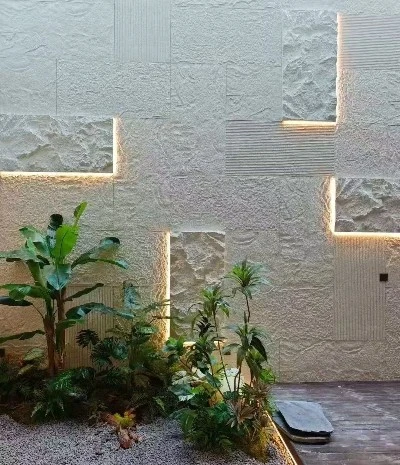
Flexible ceramic also boasts exceptional performance in colour and texture presentation. Through custom colour formulation and specialised surface treatment, it can reproduce a wide spectrum of styles, ranging from classic stone‑like veining to contemporary abstract patterns. Such rich visual effects turn buildings beyond mere functional spaces for habitation or usage into an artistic form to be perceived and appreciated.
Take a library clad with flexible ceramic as an example. Its exterior walls adopt warm earth‑toned flexible ceramic, whose surface finely replicates the veining of natural stone. When sunlight falls upon the building, the entire library seems enveloped in a golden glow, exuding exceptional warmth and inviting charm. Inside the building, designers leverage the material's unique plasticity to create exquisite wavy forms on ceilings. This not only elevates the spatial aesthetics but also enhances comfort for reading experiences.


In summary, as an innovative material for architectural art, flexible ceramic boasts distinct advantages in functionality and environmental‑friendliness, while excelling in boosting buildings' aesthetic value and artistic expression. With further technological advancement and continuous innovation in design concepts, flexible ceramic is bound to play an increasingly vital role in the future realm of architectural art.